![[YMCA of Reading & Berks County LOGO SQ]](https://recliquecore.s3.amazonaws.com/imgs/ymca_logos/named_y/blue_purple.png)
![[YMCA of Reading & Berks County LOGO FULL]](https://s3.amazonaws.com/recliquecore/imgs/ymca_logos/named/blue_purple.png)
Does My Child Need More Swim Lessons?
Understanding What Comes Next
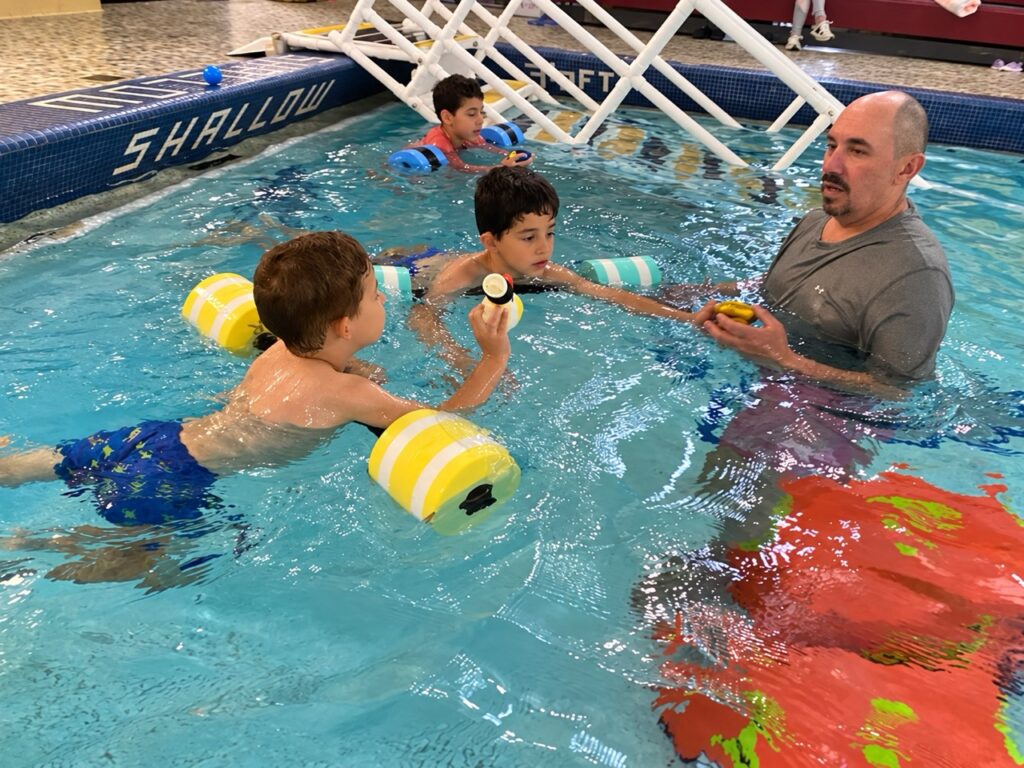
There’s a particular kind of excitement in a poolside “Watch me!”
Maybe your child has just put their face in the water, floated with a little less help, or made it farther across the pool than last time. You look up, they do it again, and suddenly you’re both grinning.
Those moments are a good reason to think about what comes next.
If your child has already taken swim lessons, another session can give them time to build on what they’ve learned and discover something new. That might mean feeling more comfortable in the water, developing stronger strokes, or finding an activity they look forward to each week.
At the Reading YMCA, families from across Berks County can explore swim lessons that support different stages of learning. Here’s how to find a next step your child can get excited about.
There’s more to swimming than getting started
A first swim session gives children a chance to explore the water and begin practicing new skills. Continuing lessons gives those skills room to grow.
Think about the things your child enjoys learning outside the pool. Riding a bike, playing an instrument, or kicking a soccer ball gets more interesting as they become more comfortable. Swimming offers that same opportunity to keep discovering what they can do.
A child who recently learned to float might be ready to practice with less assistance. Someone who can swim a short distance might work on stamina. A swimmer who loves moving through the water may enjoy learning how to make each stroke more effective. The next goal doesn’t have to be dramatic to feel exciting.
Ask your child what they liked most about their last lessons. Then share that with their instructor. Their answer can help start a conversation about the skills they’re ready to practice next.
What could my child learn in another session?
The answer depends on their current skills, and that’s what makes choosing the right class worthwhile.
The YMCA of Reading & Berks County’s swim lesson level guide shows what children work on at each stage. Early levels help them get comfortable, move through the water, and swim farther. Later levels focus on learning and improving swimming strokes. For parents, that progression can translate into changes you can picture: a more comfortable float, a longer swim, or a smoother stroke.
If your child already enjoys the water, lessons can give that enthusiasm a focus. They don’t need an ambition to join a swim team to enjoy improving. Learning a new skill can be rewarding all on its own.
More time in the same level means more time to grow
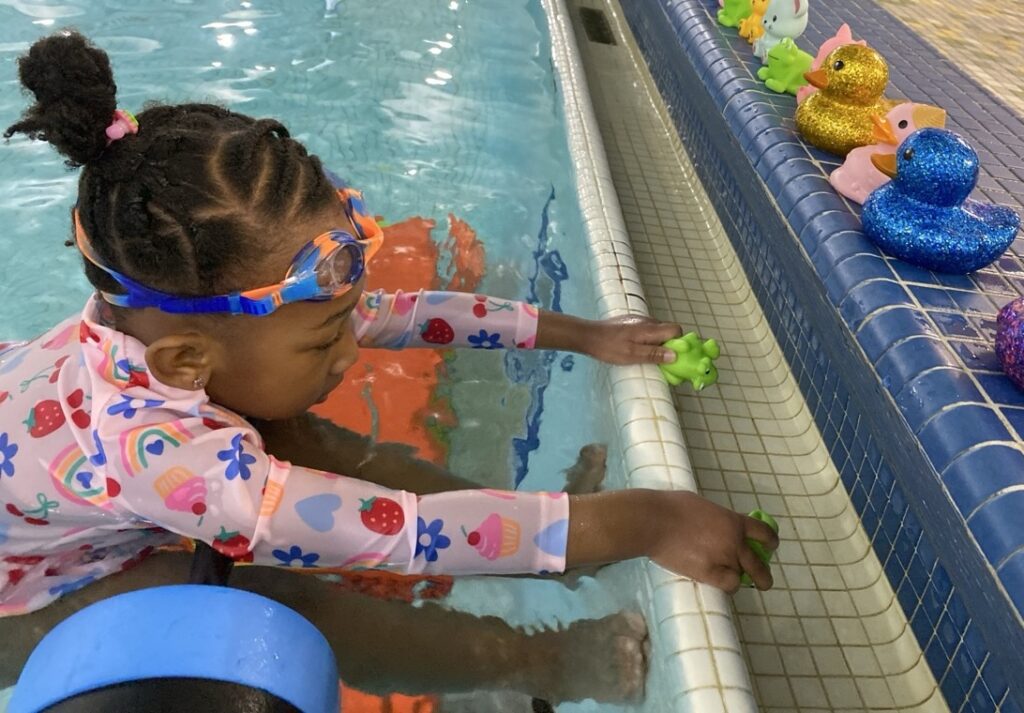
Another session doesn’t always mean moving to a different level. Sometimes the best next step is more practice in a class your child already knows. Familiar skills can become new goals. Your child might work toward needing less assistance, feeling more comfortable with a movement, or putting several skills together. Staying in the same stage gives them time to focus on those details.
After lessons, ask what they enjoyed or what they tried. You might hear about a skill you didn’t see from your seat, or discover that something that once felt unfamiliar has become their favorite part.
Level changes are one way to recognize progress. Your child’s growing willingness to participate and practice deserves attention, too.
Pool time doesn’t have to end with summer
Maybe lessons were part of your summer, or the swim bag got tucked away when school started. As the days get shorter and outdoor plans become less predictable, the pool gives kids something fun to come back to. The Reading YMCA’s indoor pool is open year-round, so cooler weather can be the start of another swimming season.
For a child who already loves the water, lessons can be a bright spot in a week of school and homework. There’s time to move, practice, and experience that satisfying feeling when something starts to click. A skill they began working on over the summer can get more attention, and a familiar activity can bring a little excitement to the fall routine.
For families looking for an indoor activity for kids in Berks County, swim lessons offer a chance to keep learning while doing something they enjoy. And on a chilly afternoon, “We’re going to the pool” is a pretty good answer to “What are we doing today?”
Confidence can grow along with swimming skills
For Cazden and his family, learning at the Y brought changes they could see both in his swimming and in how he felt about the pool.
With Rebecca’s support, he practiced early skills such as floating and getting his face in the water. Over time, he learned to swim the length of the pool and back. His family also noticed growing confidence and more connection with others in the water.
Read Cazden’s story for a look at what that experience meant to his family.
Every child has their own starting point and pace. Your child’s memorable moment might be volunteering to try a skill, needing less reassurance, or proudly explaining what they learned on the ride home. Those are worth celebrating while they keep working on their swimming.
Find your next class
The American Academy of Pediatrics recommends continuing lessons until children master basic water competency, with refresher sessions when needed. As children become more capable, continued learning can also reflect their interests, from improving technique to enjoying swimming as an ongoing activity.
Alongside that progress, keep practicing good water safety habits. Children need close, attentive adult supervision around water, including after they’ve learned to swim. Lessons are one part of keeping time in the water safer.
Group and private swim lessons are available at the Reading YMCA for infants through adults, including bilingual classes. Explore the registration page for class options, session dates, and member and nonmember pricing. Contact the aquatics team if you’d like help choosing a level.
There may be a new stroke to try, a familiar skill to strengthen, or another proud poolside moment ahead. Give your child an opportunity to find out what they can do next.
Just Keep Splashing.
More confidence. More “Watch me!” moments.