![[YMCA of Reading & Berks County LOGO SQ]](https://recliquecore.s3.amazonaws.com/imgs/ymca_logos/named_y/blue_purple.png)
![[YMCA of Reading & Berks County LOGO FULL]](https://s3.amazonaws.com/recliquecore/imgs/ymca_logos/named/blue_purple.png)
What a STAR 4 Rating Means for Families in Reading, PA
Why the Reading YMCA Early Learning Center’s Highest-Level Keystone STARS Rating Matters
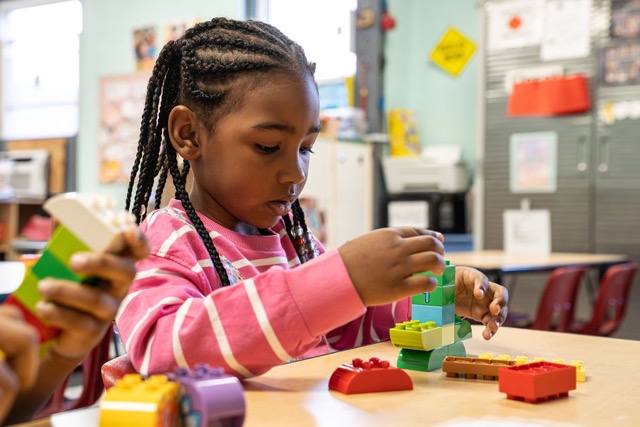
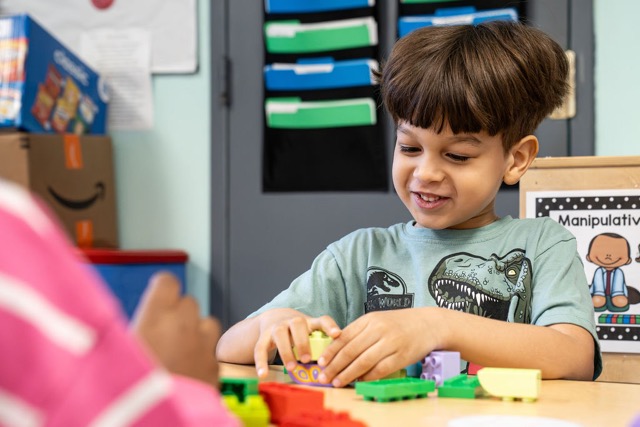
Choosing a preschool or early learning center is one of the most important decisions a family can make. Parents want more than childcare. They want a safe, nurturing place where their child will build confidence, friendships, social skills, and a strong educational foundation for kindergarten and beyond.
That’s why the YMCA of Reading & Berks County is proud that our Reading YMCA Early Learning Center has earned a STAR 4 designation through Pennsylvania’s Keystone STARS program, which is the highest quality rating available in the state.
For families in Reading and across Berks County, especially those seeking affordable or subsidized early education options, a STAR 4 rating means your child is receiving care and education held to some of Pennsylvania’s most rigorous standards for excellence.
What Is Keystone STARS?
Keystone STARS is Pennsylvania’s statewide quality rating and improvement system for early childhood education programs. Overseen by the Pennsylvania Department of Human Services and Department of Education, the program evaluates childcare centers and preschools on research-based standards proven to support healthy child development and school readiness.
Programs are rated from STAR 1 to STAR 4, with STAR 4 representing the highest level of quality, safety, education, and continuous improvement.
Achieving STAR 4 status is not a one-time accomplishment. Centers must consistently maintain high standards through ongoing evaluations, staff training, curriculum improvements, and family engagement.
What Does a STAR 4 Rating Mean for Children?
At the Reading YMCA Early Learning Center, our STAR 4 rating reflects the intentional work our educators and staff do every day to help children thrive socially, emotionally, and academically.
Children in STAR 4 programs benefit from:
- Highly Qualified Teachers: Teachers and administrators participate in advanced education, specialized certifications, and ongoing professional development in early childhood education. That means children are learning from caring professionals who understand how young minds grow, learn, and develop.
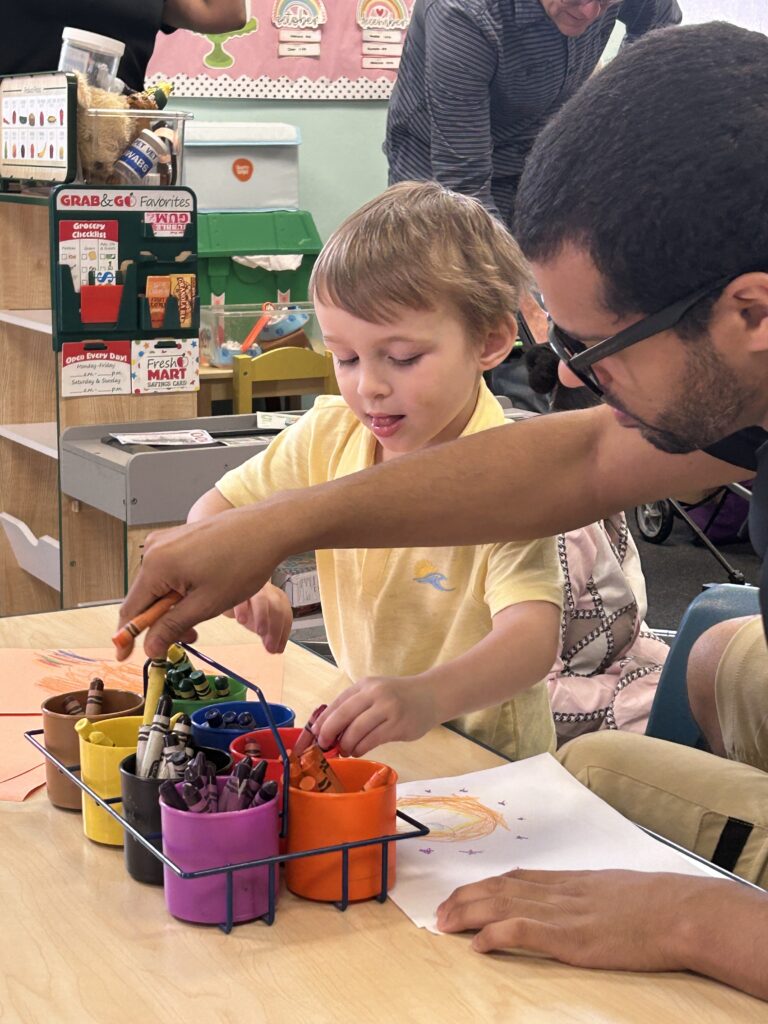
- A Strong Educational Foundation: Our classrooms use age-appropriate, engaging curriculum designed to build kindergarten readiness through hands-on learning, creativity, literacy, problem-solving, and social interaction. At the Y, learning also happens through play, movement, discovery, and relationship-building, helping children stay curious, engaged, and excited about learning.
- Safe, Structured, and Nurturing Environments: A STAR 4 center must maintain high standards for health, safety, classroom structure, and overall program management. Families can feel confident knowing their children are learning in a secure, supportive environment where they are encouraged to grow at their own pace.
- Strong Family Partnerships: Families are a critical part of a child’s success. STAR 4 programs prioritize communication with parents and caregivers through progress updates, developmental support, and ongoing collaboration to help children succeed both in and out of the classroom.
Why This Matters in Reading & Berks County
In Reading and throughout Berks County, access to high-quality early childhood education can change the trajectory of a child’s future.
Many local families face financial barriers to childcare and preschool. Through Pennsylvania’s Pre-K Counts program, eligible families may qualify for free or reduced-cost pre-kindergarten while still receiving the benefits of a top-tier educational environment.
That means children in our community can access:
- High-quality preschool education
- Social and emotional development opportunities
- Early intervention support when needed
- Kindergarten readiness skills
- Safe, enriching care while parents work
At the YMCA of Reading & Berks County, we believe every child deserves the chance to learn, grow, and succeed regardless of a family’s ability to pay. Our Early Learning Centers provide critical support for working families while helping children build the confidence, independence, and foundational skills they will carry throughout their lives.
More Than Childcare: A Launchpad for Lifelong Success
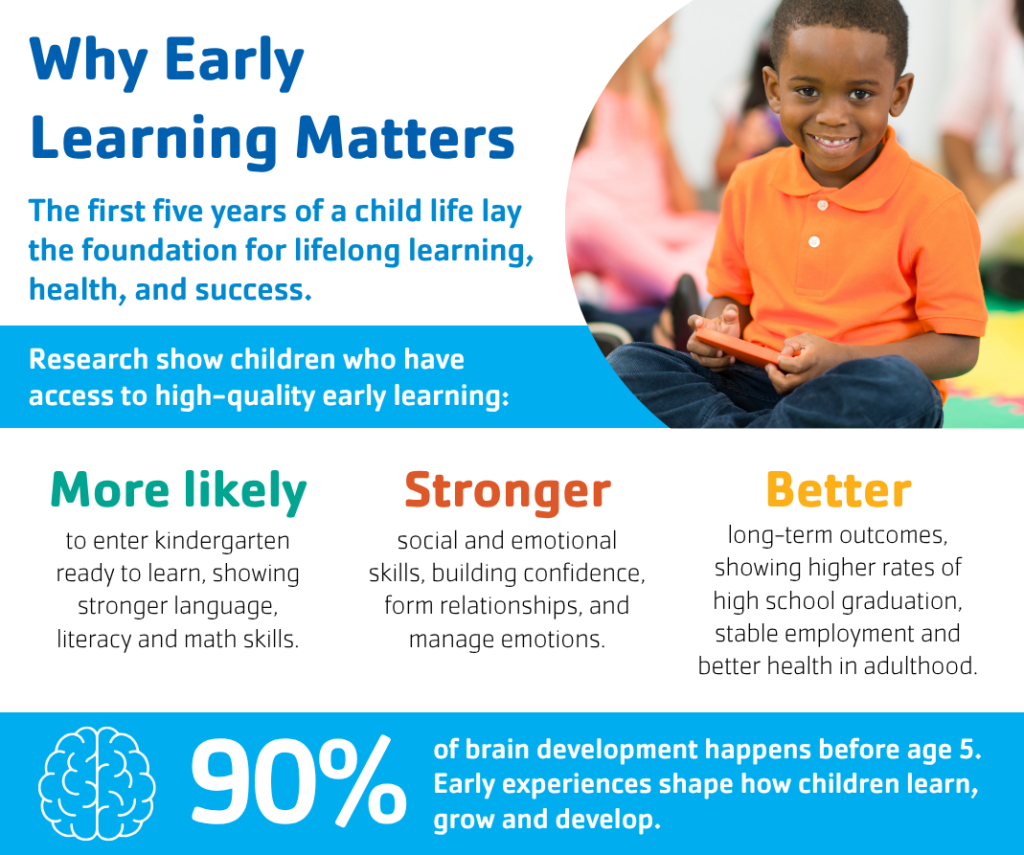
Research consistently shows that children who participate in high-quality early education programs are better prepared for school, develop stronger social skills, and experience long-term academic benefits.
At the Y, the impact goes beyond academics. We help children:
- Learn how to communicate and collaborate
- Build friendships and confidence
- Develop routines and independence
- Explore creativity and curiosity
- Feel safe, valued, and supported
For many families, the Y becomes an extension of home… a place where children are known, encouraged, and celebrated.
Affordable Preschool Options for Berks County Families
The YMCA of Reading & Berks County proudly partners with Pennsylvania programs like Pre-K Counts to help make high-quality preschool accessible for local families. Many families qualify for free Pre-K Counts enrollment, subsidized childcare assistance, scholarship opportunities, or support services and referrals.
Our goal is simple: remove barriers so every child has the opportunity to succeed.

Enroll at the Reading YMCA Early Learning Center
When families choose the Reading YMCA Early Learning Center, they are choosing one of Pennsylvania’s highest-rated early education environments, right here, in the heart of Reading.
Our STAR 4 rating reflects our commitment to excellence, our dedication to families, and our belief that every child deserves the strongest possible start.
Learn more about preschool and Pre-K Counts opportunities at the YMCA of Reading & Berks County.
The Reading YMCA Early Learning Center proudly maintains a STAR 4 rating, the highest designation in Pennsylvania’s Keystone STARS program for educational quality.